
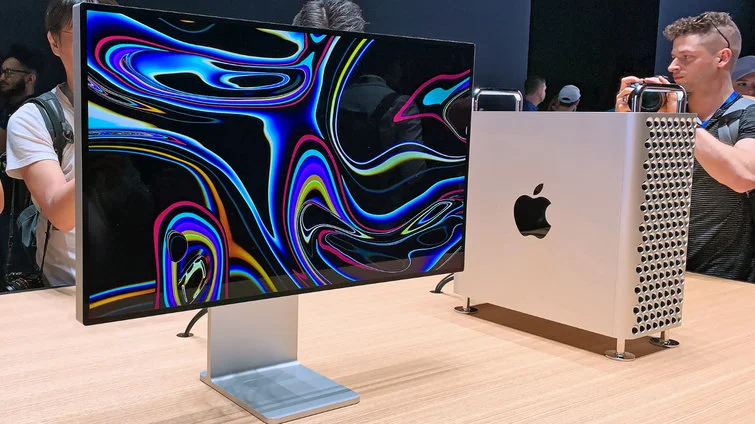
Pro Display XDR (Courtesy Tom’s Guide)
We’re almost at the end of WWDC 2019, and there have been angry murmurings, as there always are after the conference where Apple gathers developers from the wide world. One of the primary gripes I’ve encountered is over the price of the new Pro Monitor announced alongside the new, thankfully modular, Mac Pro.
If you’ve spent any time on the internet, you probably can either guess — or potentially already know — what people are up-in-ARMs (sorry) about: the price.
The Pro Display has a price tag of $4999, which has caused many people to balk. That’s because those people are woefully misinformed; they believe this is just another Dell desktop monitor. They’re wrong.
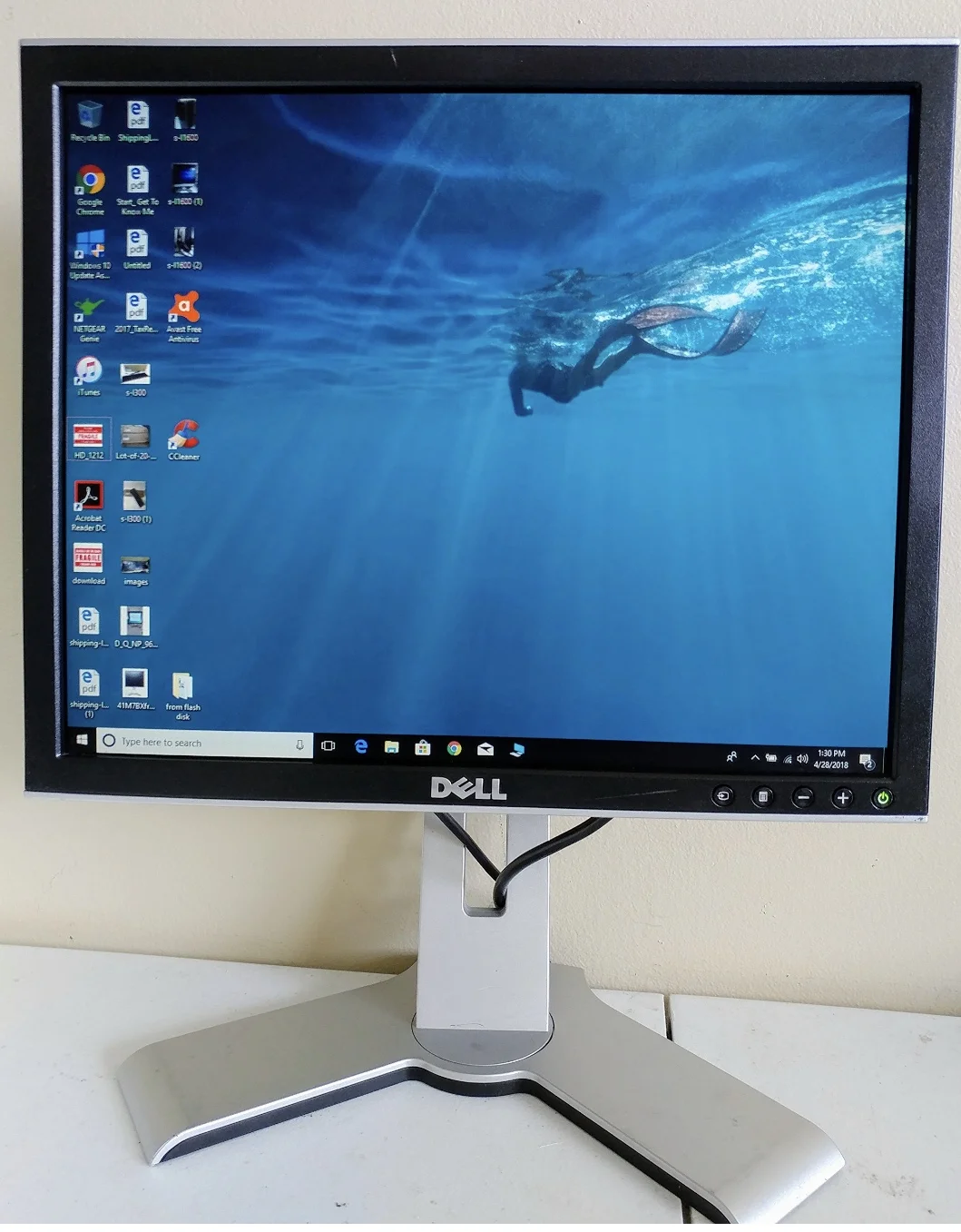
What the fuck is a nit anyway?
The new display announced by Apple boasts some pretty incredible specs; 6K resolution, 218 ppi (pixels per inch), 10-bit color depth, 1000 nits of sustained brightness with a peak brightness of 1600 nits and a contrast ratio of 1,000,000:1. If these specs mean nothing to you besides thinking, “Wow, that’s a lot of stuff I don’t know about,” congratulations! I don’t know either, for the most part. I know just enough to know that this product wasn’t built for me, and it likely wasn’t built for you either.
This monitor was designed with pro-users in mind. Now, there are a suite of products available that offer pro-level support — I’m writing this article on one of them now! However, many of the pro-users do not need the monitor for the majority of their tasks. To prove that, I’m going to tell you a little bit about reference monitors.
What exactly is a reference monitor?
A broadcast reference monitor (also known as a video reference monitor or just reference monitor) is a tool used in video production for television and film. It is used for video compliance to ensure video produced without enhancements creates as accurate an image is possible. They are used by newsrooms and production houses — actual pro-users. They aren’t made for people who make YouTube videos in their mom’s basement or SoundCloud rappers.
A standard reference monitor can cost upwards of $25,000; prices increase exponentially after that. That’s why many people who use those monitors don’t purchase them, instead opting to rent units due to the prohibitive cost of purchase.
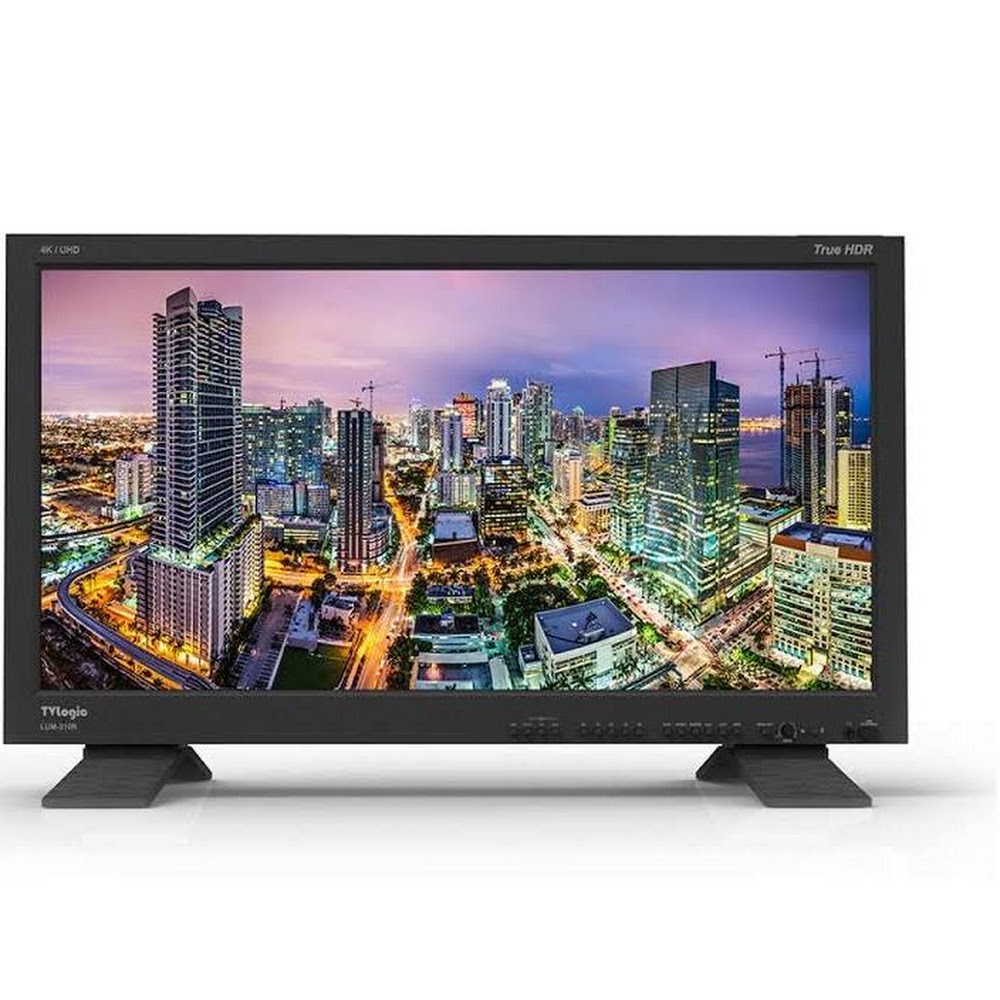
This reference monitor costs more than $35,000. It’s not even top-of-the-line.
What this means for pro-users
If you fall into the category of pro-users that need that level of power for video editing, a $5000 investment isn’t just reasonable, it’s borderline absurdly inexpensive. Apple gets a lot of flack for making expensive products that people don’t understand, many of whom have no actual use case for them. This article won’t change that, but I’m also reasonably sure it won’t affect their bottom line.
People have complained about Apple’s prices forever. Sometimes they have a good reason to voice concerns. This one, however, isn’t one of them.

